Cauce
The guardianes

Meet the people who are in the river.

Eight guardianes across five countries. Each one protects a source of water alongside their community —measuring, cleaning, teaching and defending— every single day.

Río Meta, Colombia
Colombiariver

Río Meta Waterkeeper

Río Meta

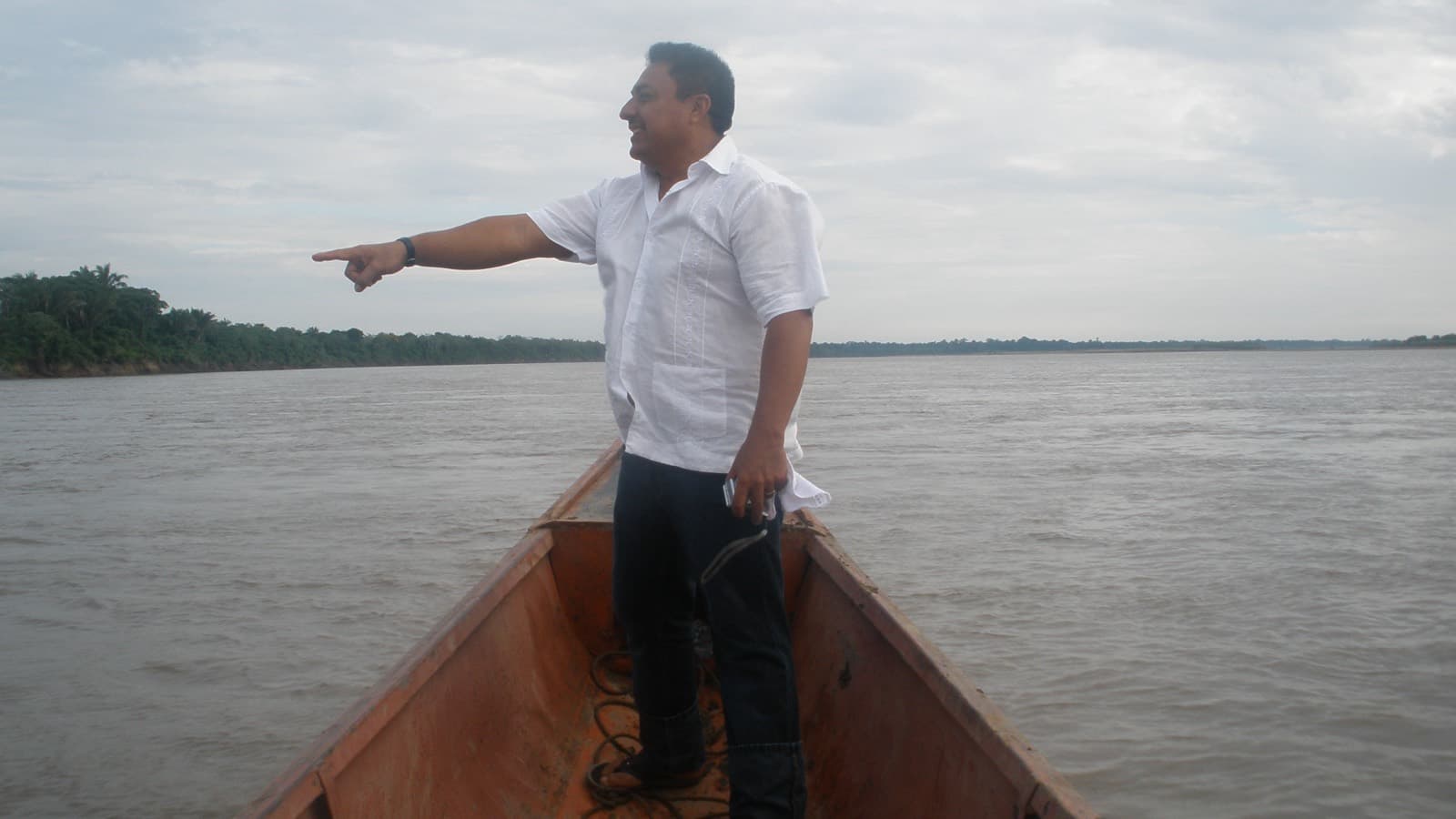
On the plains of Colombia, the Río Meta is a water artery that connects entire towns: people navigate it, fish it and live from it. Río Meta Waterkeeper protects that artery by sampling its quality, organizing cleanups and mingas with the riverside communities, and building alliances with schools and authorities so that decisions about the river include those who depend on it. A river this big needs many eyes watching over it; they are putting the first ones in place.
Río Pauto, Colombia
Colombiariver

Río Pauto Waterkeeper

Río Pauto

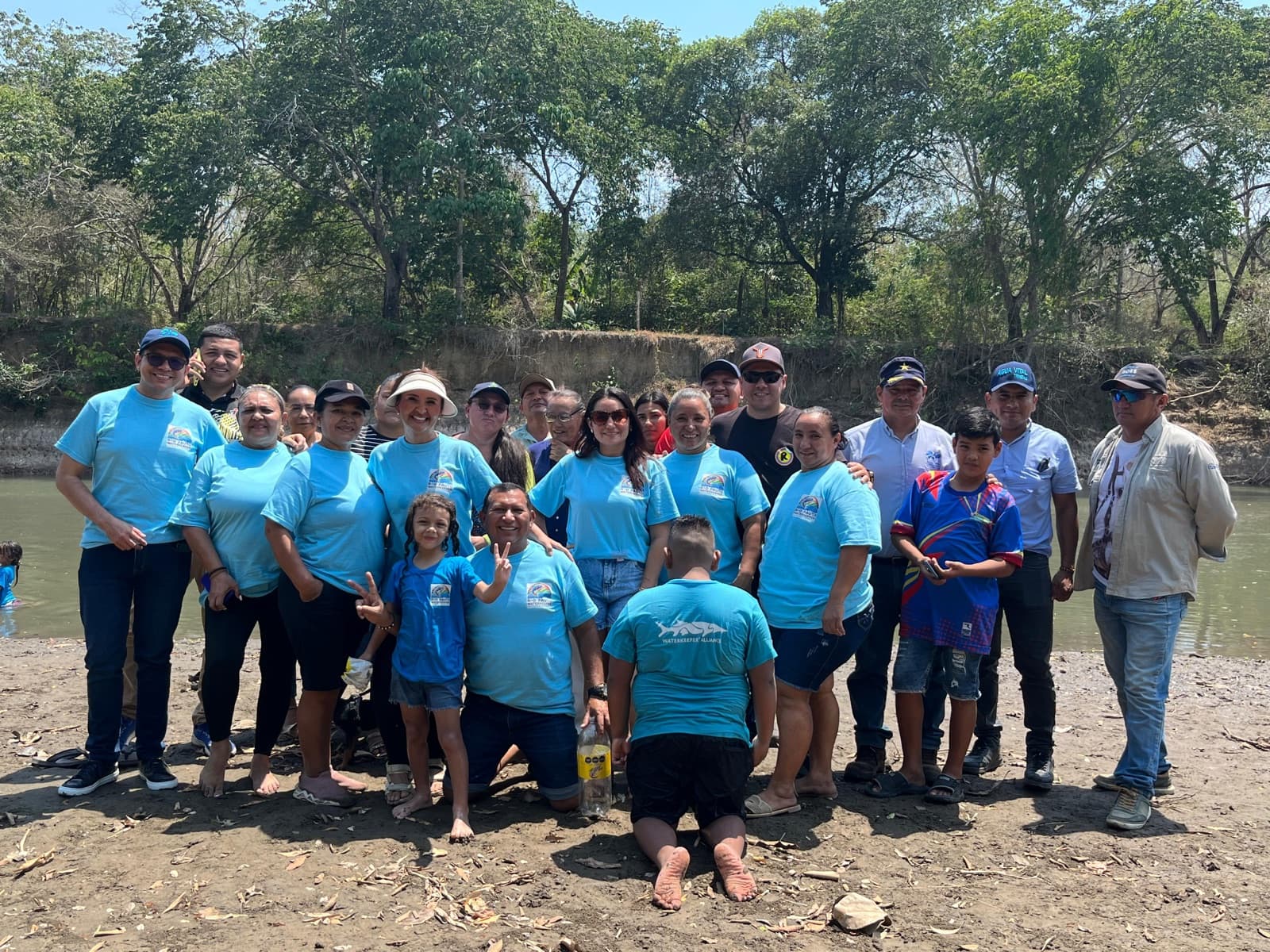
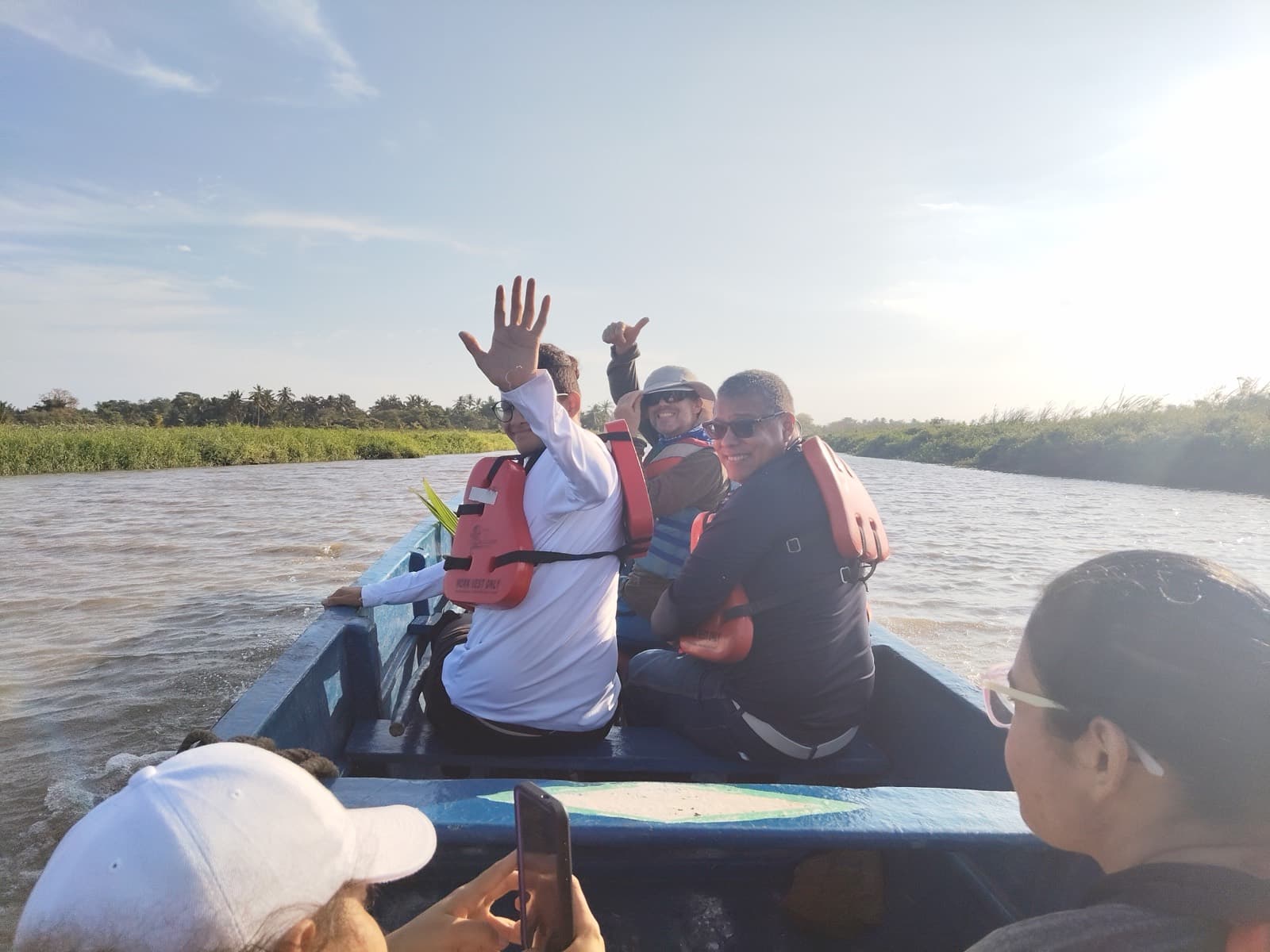
Also on the Colombian plains, the Río Pauto sustains the life of communities that drink, fish and farm thanks to its waters. Río Pauto Waterkeeper watches over this river with constant monitoring, cares for its banks and trains new generations to understand that the water close to them is not guaranteed forever. Their work shows that even the least-named rivers deserve a guardián who never loses sight of them.

Mouth of the Río Magdalena at the Caribbean, Colombia
Colombiariver

Bocas de Ceniza Waterkeeper

Mouth of the Río Magdalena at the Caribbean

Where the Río Magdalena —Colombia's most important river— gives itself to the Caribbean Sea sits Bocas de Ceniza. Everything the river gathers along the country arrives at this point, and here it is decided what reaches the ocean. Bocas de Ceniza Waterkeeper protects that mouth: it monitors water quality where the river and the sea meet, organizes cleanups and defends a key ecosystem for fishing and coastal communities. To care for the river's mouth is to care for the fate of its entire cuenca.

Tijuana River cuenca and the Pacific coast, Mexico
Mexicocoast

Tijuana Waterkeeper

Tijuana River cuenca and the Pacific coast

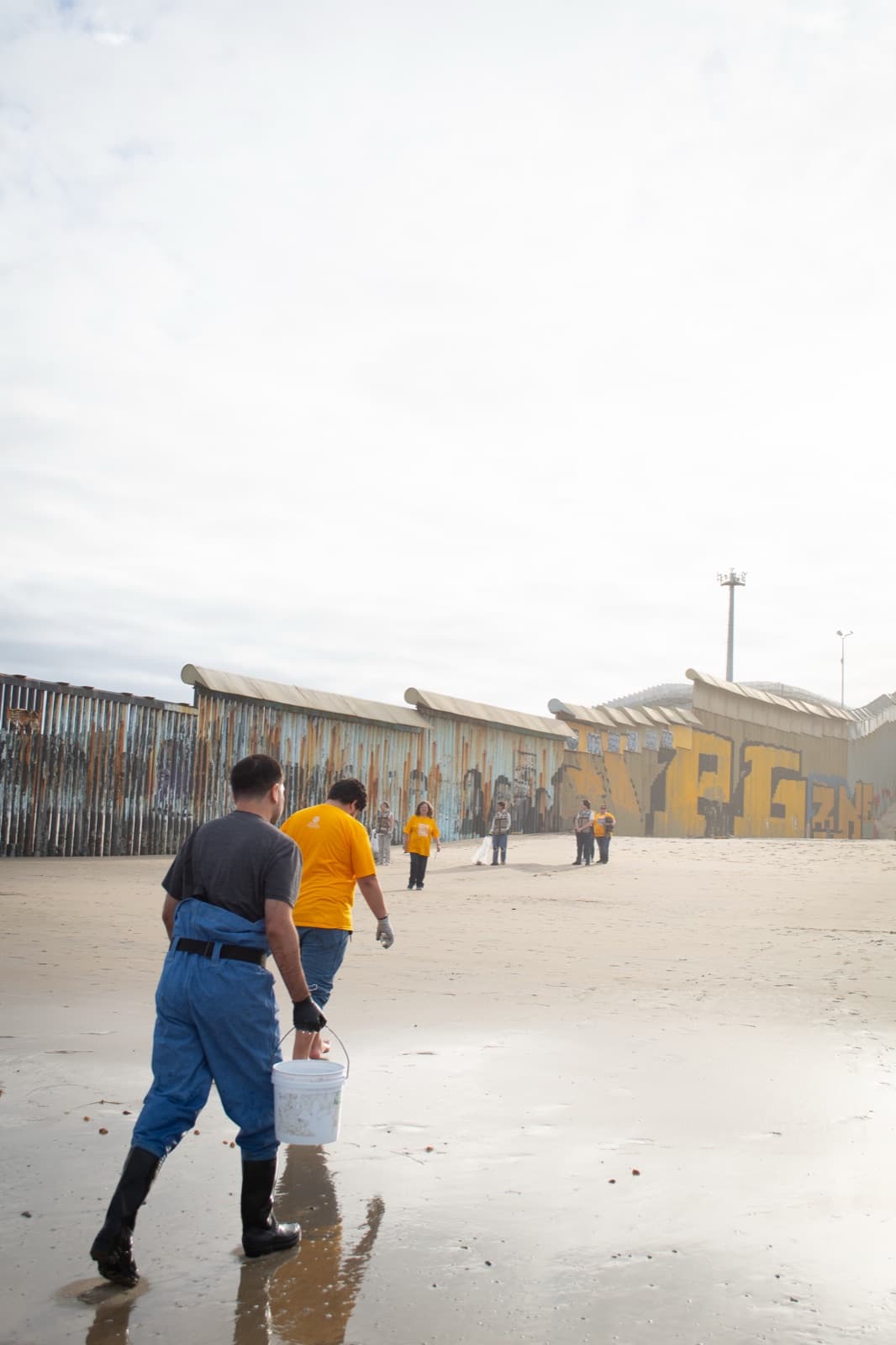
On the border between Mexico and the United States, the Tijuana River crosses two countries before giving itself to the Pacific, carrying sewage and, every rainy season, more trash that end up in the sea and on the beaches where families play. Tijuana Waterkeeper watches over that shared cuenca: it documents the pollution by carrying out seawater-quality monitoring and works so people get to know this cauce and how to protect it through environmental education and community science. To care for the Tijuana River cuenca is to care for the first stretch of the water that unites Latin America.

Bay and cuenca of Cabo San Lucas, Mexico
Mexicocoast

Los Cabos Coastkeeper

Bay and cuenca of Cabo San Lucas

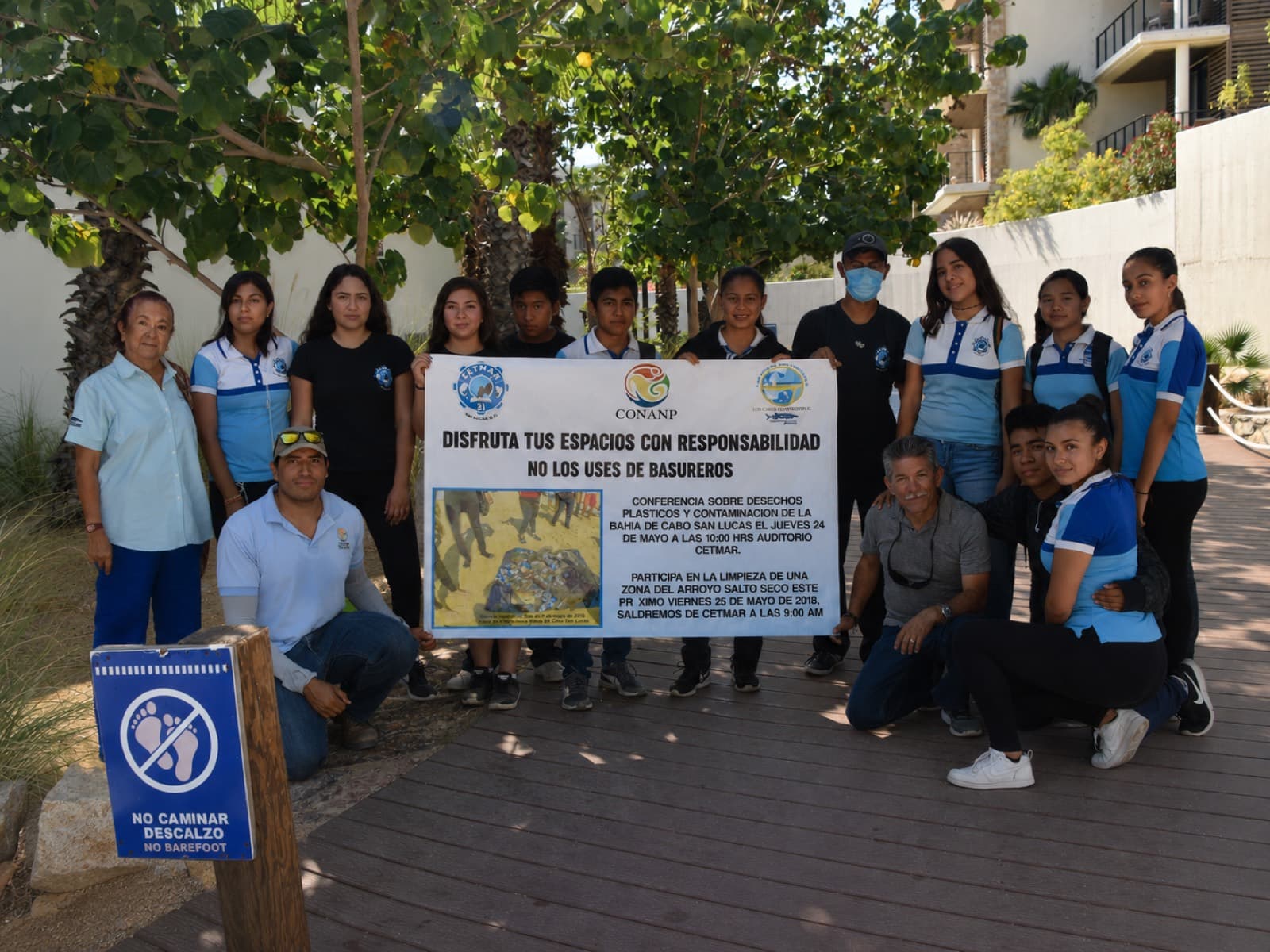
At the tip of Baja California, where the desert meets the sea, Los Cabos Coastkeeper protects the beaches where sea turtles nest and defends icons like the Arch of Cabo San Lucas. Their work combines environmental education, water-quality monitoring, legal defense against attempts to privatize water, and participation in the management of a protected natural area. They sit down with authorities, academia and community so that the beaches, the underwater sand-falls and the drinking water stay alive for those who come after.

Río Mapacho, Peru
Peruriver

Río Mapacho Waterkeeper

Río Mapacho

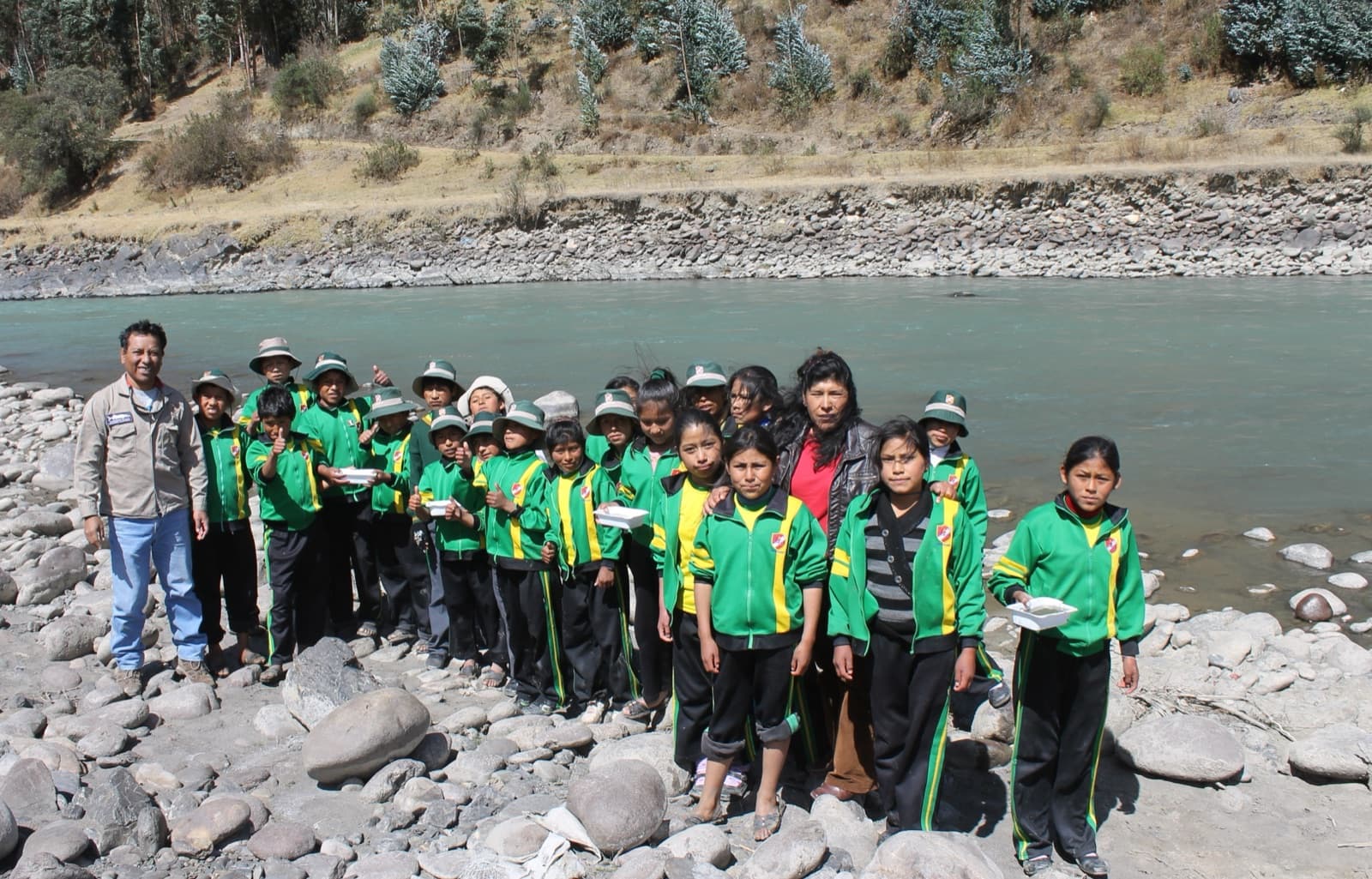
High in the Peruvian Andes, the Río Mapacho descends among mountains and communities that have lived beside its waters for generations. Río Mapacho Waterkeeper accompanies this Andean river with water-quality monitoring, citizen science and environmental education alongside the families and schools of the cuenca. Their bet is simple and powerful: that those who depend on the Mapacho be the same ones who defend it, with data in hand and the community organized.

Río Futaleufú, Chile
Chileriver

Futaleufú Riverkeeper

Río Futaleufú

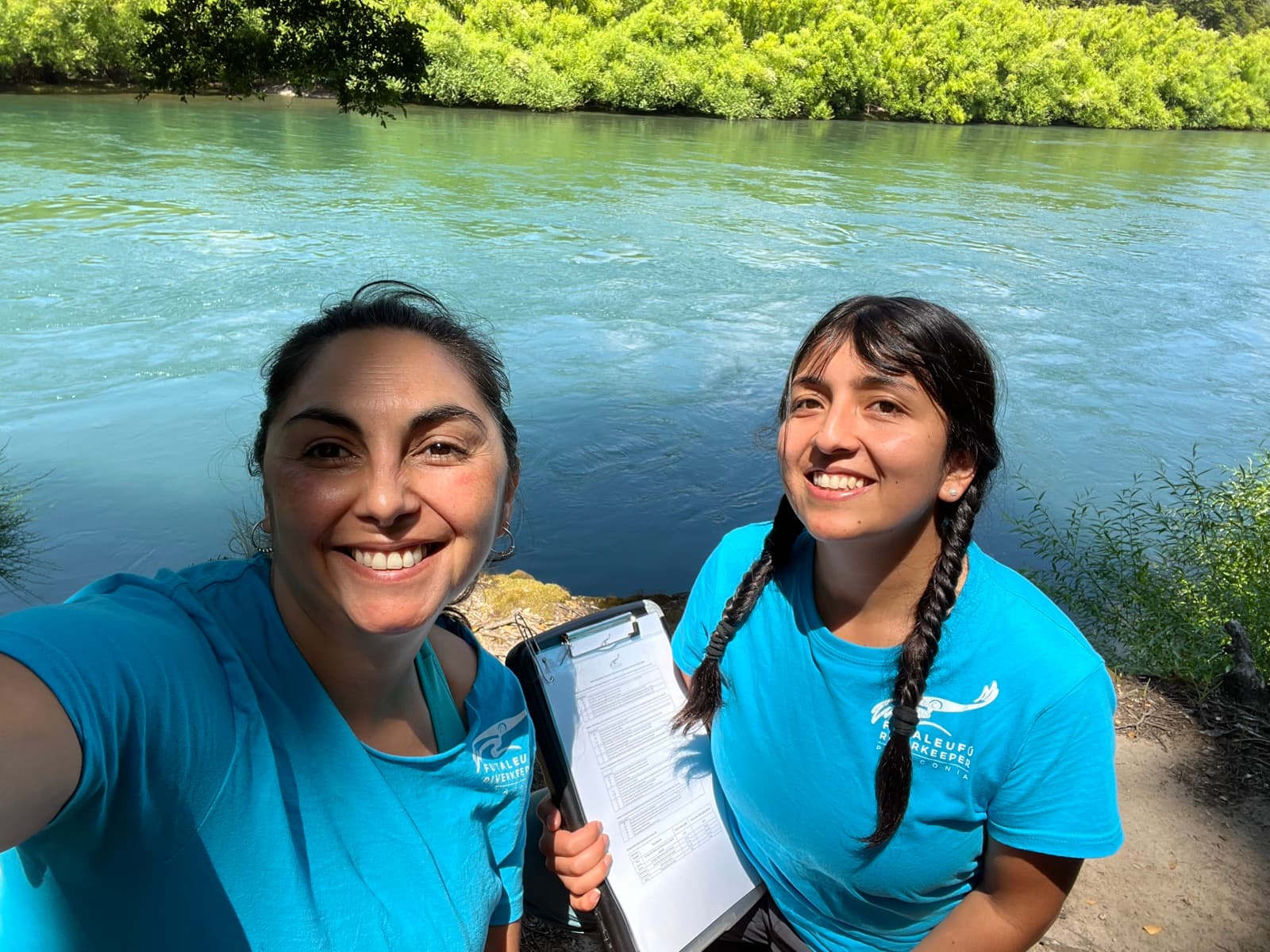
In Chilean Patagonia runs the Futaleufú, a river of turquoise waters that was nearly stopped by a large dam. The community organized, learned to read its river, measured its health and defended its freedom until the project was withdrawn: today it still runs free and is part of the valley's identity. Futaleufú Riverkeeper sustains that victory with programs like «Chicas al Agua», where girls and young women train as athletes, scientists and environmental leaders. Here, protecting the water and forming guardianas are one and the same.

Río Guayllabamba, Ecuador
Ecuadorriver

Guayllabamba Waterkeeper

Río Guayllabamba

In the Ecuadorian Andes, the Río Guayllabamba gathers the waters of the rivers that cross Quito —a dense city that long ago turned its back on its rivers— and carries the pressure of one of the country's most populated regions. Guayllabamba Waterkeeper works so the city remembers it has a river: through environmental education for people of all ages, it builds the bond that makes it possible for people to care for what they first have to see again. Where many see a river given up for lost, they see a cuenca that can still come back to life.

Every cuenca has someone to care for it. Now it has you, too.

Join and follow the work of the guardianes up close.